Producing and Promoting Traditional Culture
In 1878, at the Paris World Exposition,
Europeans encountered Japanese crafts and culture for the first time.
They were instantly captivated,
and this led to a wave of enthusiasm known as Japonisme.
This influence can even be seen in global luxury brands such as Louis Vuitton.
For example:
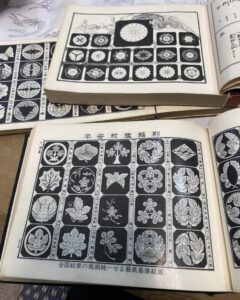
- The “Monogram” pattern was inspired by Japanese family crests (kamon)
- The “Damier” pattern was influenced by the traditional Japanese Ichimatsu checkered design
Japanese pattern culture is truly something
that resonates across the world with its beauty and depth.
I hope to share not only the visual beauty of these patterns,
but also their meanings and cultural significance—
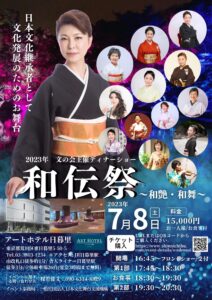
and to encourage people to incorporate them into everyday life.
At the same time,
I want to continue cherishing and sharing
this remarkable cultural heritage that Japan can proudly present to the world.
With these thoughts in mind,
I started this blog.
Among the many aspects of Japanese culture,
one area I have long been fascinated by
and wish to share more widely is: Traditional Pattern Culture
However, when people hear “traditional patterns,”
it may not immediately come to mind.
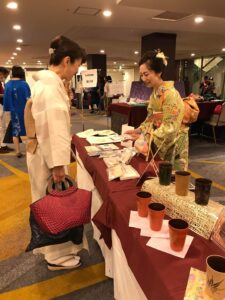
You might recognize them as patterns on kimono,
or more recently, from anime such as Demon Slayer,
where costumes feature designs like the Ichimatsu pattern.
When I began learning about
the history, variations, and meanings behind these patterns,
I was deeply moved by both their beauty and profound depth.
Japanese culture is incredibly rich and complex,
and I am still learning every day.
Through sharing what I learn,
I hope to explore and experience
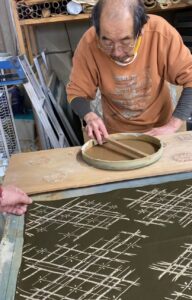
the world of patterns and KATAGAMI together with you.
I would be truly happy
if this inspires your interest
in their designs, meanings, and traditions.

#日本文化
#文様文化
#KATAGAMI文化
#KARAKAMI
#japanese_pattern